
The short answer. For most trips, the best time to visit Nepal is March to May and late September to November. October and November give the clearest skies and the most reliable trails. April brings flowers and long days. December to February suits city tours, jungle safaris and lower-altitude walks. June to August is monsoon: green and quiet, but with rain, landslides and flight delays on most routes.
Quick pick. First trip and flexible dates: choose October or April. Want fewer people: choose early March, late May or early December. Travelling with senior parents: choose October to early December. Limited budget: choose the shoulder months and book early.
There is no single best month for Nepal, because the country runs from steamy lowland jungle to peaks above 8,000 m. A month that is perfect for a Chitwan safari can be wrong for a high pass, and a month that suits Mount Kailash does not suit Everest. This guide goes month by month, then matches the months to the trips people ask us about most, so you can pick your 2027-28 dates with confidence.
Nepal’s four seasons
| Season | Months | What it feels like | Good for |
|---|---|---|---|
| Spring | March to May | Warm days, rising haze, flowers in the hills | Treks, tours, rhododendrons, Everest region |
| Monsoon | June to August | Warm, wet and green, with cloud on the mountains | Rain-shadow areas, quiet sightseeing, Kailash |
| Autumn | September to November | Clear air, crisp mornings, big festivals | Almost everything, especially treks and flights |
| Winter | December to February | Cold nights, sunny days, sharp views | City tours, safaris, low-altitude walks |
Month-by-month at a glance
This table shows how reliable each month is for each kind of trip. Conditions change from year to year, so use it as a starting point and check with us close to departure.
| Month | High-altitude treks | Tours and sightseeing | Jungle safari | Overall |
|---|---|---|---|---|
| January | Cold, limited | Good | Good | Quiet and clear |
| February | Cold, improving | Good | Very good | Good |
| March | Good | Very good | Good | Very good |
| April | Very good | Very good | Hot, good wildlife | Excellent |
| May | Good, hazier | Good, hot in lowlands | Very hot | Good |
| June | Poor, rain begins | Fair | Hot and wet | Weak |
| July | Poor | Fair | Wet | Weak |
| August | Poor | Fair | Wet | Weak |
| September | Improving late month | Good | Improving | Fair to good |
| October | Excellent | Excellent | Very good | Excellent |
| November | Excellent | Excellent | Very good | Excellent |
| December | Cold, clear | Very good | Very good | Good |
Typical weather in Kathmandu
These are rounded long-term averages for Kathmandu, which sits at about 1,300 m. Treks are much colder than the city, because temperature falls steadily as you climb. Pokhara is warmer and wetter than Kathmandu, and the Terai jungles are hotter still.
| Month | Daytime high | Night low | Rainfall |
|---|---|---|---|
| January | About 19°C | About 2°C | Very little |
| February | About 21°C | About 4°C | Little |
| March | About 25°C | About 8°C | Light |
| April | About 28°C | About 12°C | Light to moderate |
| May | About 29°C | About 16°C | Moderate, with storms |
| June | About 29°C | About 19°C | Heavy |
| July | About 28°C | About 20°C | Heaviest |
| August | About 28°C | About 20°C | Heavy |
| September | About 27°C | About 18°C | Heavy, easing |
| October | About 26°C | About 13°C | Little |
| November | About 23°C | About 7°C | Very little |
| December | About 20°C | About 3°C | Very little |
Most of Kathmandu’s yearly rain falls between June and September. Rain in the Himalaya itself follows the same pattern, but the dry regions behind the main range, such as Upper Mustang and parts of Manang, receive far less.
Each month in detail
January
Cold and clear. Kathmandu has frosty mornings and sunny afternoons. Mountain views are sharp, but high trails see snow, and some lodges at altitude run limited services. Nights near Everest Base Camp are well below freezing, so only well-prepared trekkers should go high. Daylight is short, so plan early starts.
Best for: Quiet city tours, lower treks, Pokhara, photography. Think twice: Skip if you dislike cold mornings or want high passes.
February
Still cold at altitude, but the air starts to warm and haze stays low. A good month for Chitwan and Bardia, because the grass is shorter later in the season and wildlife is easier to spot. Maha Shivaratri at Pashupatinath and Losar in the Sherpa and Tibetan communities fall around now, with dates that move each year.
Best for: Safaris, culture, clear views. Think twice: Skip if you want a flower-filled trek.
March
Spring arrives. Lower trails come alive and the first rhododendrons open in the hills. Holi, the festival of colours, falls around the full moon. Trekking season is back on, so book lodges and flights earlier than you think.
Best for: Everest and Annapurna treks, Holi, comfortable sightseeing. Think twice: Skip if you need absolute quiet, as popular trails fill up.
April
One of the best months. Days are long, the hills are in bloom and mountain views are good in the mornings. Nepali New Year and Bisket Jatra in Bhaktapur fall in mid-April. Afternoon haze and cloud build later in the day, so start treks and flights early. Base Camp itself is busy with expedition teams in April and May.
Best for: Flowers, treks, tours, festivals. Think twice: Skip if you want the lowest crowds.

May
Getting hot in the lowlands and in Kathmandu, but still good on the trails, especially early in the month. Haze increases and afternoon storms become more common. The Kailash Mansarovar season opens around now. Terai jungles are very hot, so plan safari activities for early morning and late afternoon.
Best for: Early-May treks, Kailash, escaping Indian summer heat in the hills. Think twice: Skip if you dislike heat or hazy views.
June
The monsoon usually arrives in the middle of the month. Expect rain, cloud and slower travel. Rain-shadow regions such as Upper Mustang and Dolpo stay drier, and the Kailash route lies on the dry side of the Himalaya, although getting there can be affected by weather and road conditions.
Best for: Kailash, rain-shadow regions, flexible culture trips. Think twice: Skip if you have a fixed schedule or want mountain views.
July
Peak monsoon. Landslides and leeches affect many lower trails, roads can close and mountain flights are often delayed. The hills are bright green and prices are lower, so it suits flexible travellers who mainly want culture and quiet. Avoid tight schedules and long road journeys.
Best for: Quiet sightseeing, green landscapes, budget-friendly stays. Think twice: Skip if you want Everest or Annapurna views.
August
Still wet, with the highest flood and landslide risk of the year. The 2026 floods are a reminder of this, so read our flood update before planning anything in these months. Janai Purnima and Teej fall around now.
Best for: Festivals, flexible indoor and cultural plans. Think twice: Skip if you cannot tolerate delays or road closures.
September
The rain eases and clouds lift through the month. Late September is a popular time to restart trekking, as trails dry and skies clear. Indra Jatra in Kathmandu and the build-up to Dashain begin around now, so expect busier roads near the festivals.
Best for: Late-month treks, festivals, green hills. Think twice: Skip early September if you want guaranteed dry trails.
October
Peak season. Skies are at their clearest, temperatures are comfortable and trails are at their driest. Dashain, Nepal’s biggest festival, falls in this period, and Tihar may start late in the month. Flights, lodges and hotels fill early, so book well ahead. Mani Rimdu is held at Tengboche monastery around now.
Best for: Everest, Annapurna, helicopter tours, first-timers. Think twice: Skip if you hate crowds or last-minute bookings.
November
Crisp, clear and slightly cooler than October, with fewer people on the trails as the month goes on. Excellent for treks, helicopter tours and sightseeing. Nights at altitude are cold, so a proper sleeping bag and down jacket matter. Tihar, the festival of lights, can fall in early November.
Best for: Treks, flights, sightseeing, photography. Think twice: Skip high treks late in the month if you dislike very cold nights.
December
Cold nights, bright days and good visibility. A good month for lower treks, city tours, Pokhara and safaris. High passes may be snowed in. Christmas and New Year bring a short burst of holiday visitors to Kathmandu and Pokhara, so book those weeks early.
Best for: Quiet lower treks, city tours, safaris. Think twice: Skip if you want high-altitude trekking in comfort.
Best month for your trip
| Trip | Best months | Why | Be careful about |
|---|---|---|---|
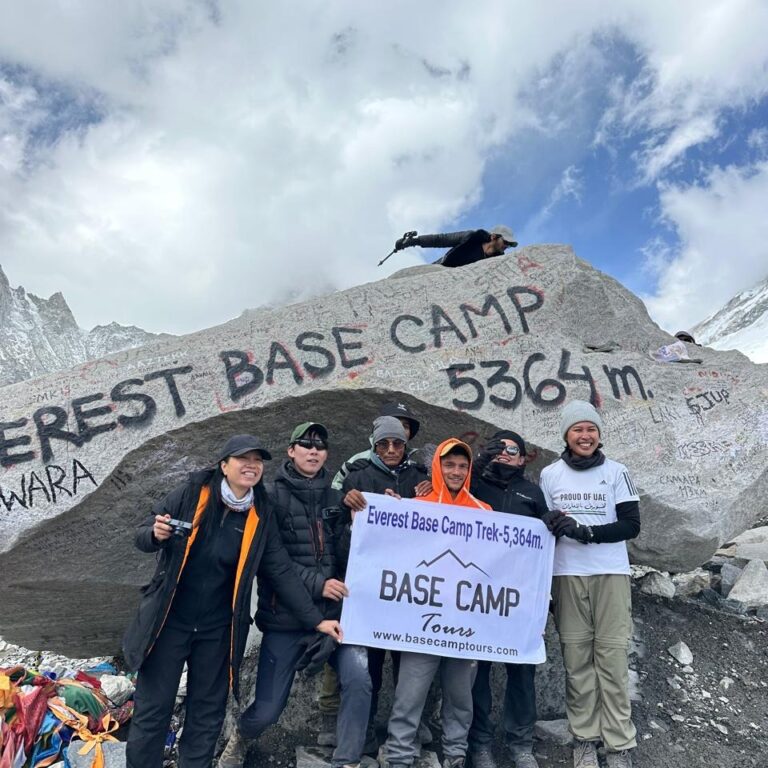
| Everest Base Camp trek | Mid-March to May, late September to November | Clear views, stable trails, open lodges | Peak crowds in October and April; in busy months some Lukla flights leave from Manthali (Ramechhap), which means an early road transfer |
| Annapurna Base Camp trek | March to May, October to November | Rhododendrons in spring, clear air in autumn | Avalanche risk in winter and early spring |
| Short treks (Poon Hill, Langtang Valley) | March to May, October to December | Lower altitude gives you a longer window | Rain and leeches in monsoon |
| Kathmandu and Pokhara tours | October to April | Dry, clear and comfortable | May heat, monsoon cloud |
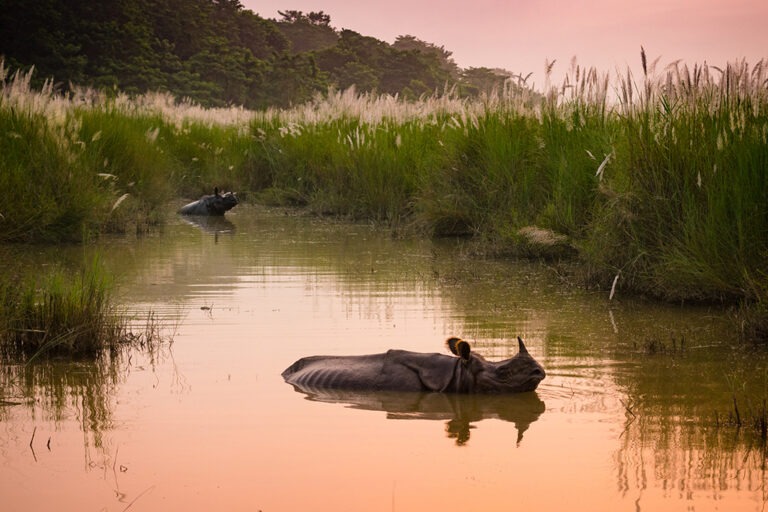
| Chitwan or Bardia safari | October to March, with February to April good for wildlife | Cooler and drier, short grass later in the season | Very hot from April to June, wet from June |
| Muktinath and Jomsom | March to June, September to November | Drier on the northern side of the Himalaya | Strong afternoon winds and morning-only flights |
| Mount Kailash Mansarovar | May to September | The season set by permits and passes | Border and road conditions, so confirm dates |
| Helicopter tours | March to May, October to November | Clear mornings and good visibility | Cloud and wind can cancel flights in any season |
| Honeymoon or family trips | October to April | Comfortable weather for sightseeing and safaris | School holidays and festival weeks |
| Festivals | Year-round, but Holi, Dashain and Tihar are the big ones | See our festival guide | Dates change yearly, and travel gets busy |
For deeper comparisons, see our guides to the Everest and Annapurna Base Camp treks, short treks, Muktinath, Kailash itineraries, helicopter tours and wildlife.

Best months by type of traveller
| Traveller | Good months | Notes |
|---|---|---|
| First-time visitors | October, November, April | Most reliable weather, easiest planning |
| Families with children | October to December, March to April | Mild days, school holidays in April, October and December |
| Honeymooners | October to April | Clear skies and comfortable evenings |
| Senior travellers | October to early December, March to April | Avoid very cold or very hot months, and build in rest days |
| Photographers | October, November, early April | Clearest air; shoot mountains at sunrise |
| Budget travellers | Early March, late May, early December | Shoulder months, with easier bookings |
| Pilgrims | Muktinath: March to June, September to November. Kailash: May to September | Follow the pass and permit seasons |
| Wildlife lovers | February to April for Chitwan and Bardia | Short grass and animals near water |
Planning a trip from India? See our Nepal safety guide for Indian tourists and our honeymoon and family trip plans.
What to pack for each season
- Spring (March to May): layers, a light rain shell, sun protection and a warm jacket for higher camps.
- Monsoon (June to August): a proper rain jacket, waterproof bag liners, quick-dry clothes and leech socks if you walk below 2,500 m.
- Autumn (September to November): a down jacket and warm sleeping bag for nights above 3,000 m, plus sun cream and sunglasses for bright days.
- Winter (December to February): thermal base layers, insulated boots, gloves and a hat. City trips need a warm jacket for early mornings and evenings.
Crowds, holidays and booking
- October and April are the busiest months. Book flights to Lukla and Jomsom, tea-house rooms and hotels as early as you can.
- Indian school and festival holidays (summer break in May and June, Diwali in October or November, and the year-end break) bring heavy traffic to Kathmandu, Pokhara and Chitwan. Reserve those weeks early.
- Dashain and Tihar close many shops and make travel by road slower. They are wonderful to witness, but build in spare days.
- Shoulder months, such as early March, late May, late September and early December, can give you quieter trails and easier bookings. Pick one if you are flexible.
- Monsoon travel is possible for tours and rain-shadow regions, but keep dates flexible and add buffer days.
Weather risks to plan for
- Flight delays: mountain airports such as Lukla and Jomsom depend on clear weather. Build in at least one spare day at each end of a trek.
- Landslides and floods: mainly June to September. Check conditions on your route close to departure, and read our flood update.
- Altitude and cold: temperatures drop sharply with height at any time of year. Learn the signs of altitude sickness in our safety guide.
- Haze: late spring can bring hazy views in the lowlands, so aim for early morning when you want photographs.
- Heat: Kathmandu stays comfortable through most of the year, but the Terai plains can reach the high 30s or even 40°C from April to June.
Common timing mistakes
- Booking a fixed international flight with no spare days before or after a mountain flight.
- Choosing the monsoon for Everest or Annapurna and expecting mountain views.
- Visiting in the first week of Dashain or Tihar without allowing for closed shops and slower roads.
- Going to Chitwan in May or June and finding it too hot and wet for comfortable safaris.
- Packing for Kathmandu weather and then walking to a camp above 4,000 m.
- Leaving it too late to book October and April departures.
Frequently asked questions
What is the best month to visit Nepal?
October and November give the most reliable weather and the clearest mountain views. April is the best spring month.
Is it worth visiting Nepal in the monsoon?
It can be, for quiet sightseeing, culture and rain-shadow areas, but expect rain, possible delays and less mountain visibility. Keep your plans flexible.
When is the best time for Everest Base Camp?
Mid-March to May and late September to November. October and April are the busiest.
Can I trek in winter?
Yes, on lower and mid-altitude routes. High passes may be snowed in, nights are very cold and some lodges at altitude operate with limited services.
When is the best time for a Nepal honeymoon?
October to April, when skies are clear and sightseeing and safaris are comfortable.
What is the best time for a Nepal trip from India?
October to April for most trips. Many Indian travellers also visit in May and June to escape the heat, when Kathmandu and the hills are cooler than the plains.
Which is the coldest month in Nepal?
January, when Kathmandu nights are close to freezing and high-altitude camps are far colder.
When should I book for October?
As early as you can, ideally several months ahead, because flights, lodges and hotels fill up.
When is the Kailash Mansarovar season?
Roughly May to September, depending on permits and conditions.
Is Nepal hot in summer?
Kathmandu is warm rather than hot, but the southern plains, including Chitwan, can be very hot from April to June.
Tell us your dates, group and interests, and we will suggest the best window and a plan to match. Contact our team, or browse our treks and tours. Weather and conditions vary from year to year, so please check with us close to your departure.

About the Author Shankar Bhatta