 0
0
Is Nepal Safe? A 2026 Travel Safety Guide for Indian Tourists, Families and Solo Women
Travellers from India ask us three questions more than any others: whether Nepal is safe at the moment, whether it is suitable for elderly parents, and whether a woman can travel there alone. This guide answers each of them. It is organised by who is travelling, because the risks facing a family in Pokhara in November are very different from those facing a solo trekker above 4,000 m in July.
Safety at a glance
| Traveller | Overall assessment | Key consideration |
|---|---|---|
| Indian tourist (any age) | Straightforward and welcoming | Carry the correct ID and permitted currency |
| Family with children | Very suitable in Kathmandu, Pokhara and Chitwan | Season and length of road journeys |
| Senior parents | Suitable with planning | Altitude and a medical plan |
| Solo woman (cities) | Generally comfortable with ordinary precautions | Choice of accommodation and transport |
| Solo woman (treks) | Not advised alone | Travel with a registered guide or group |
Current situation: the 2025 protests and the 2026 floods
In September 2025, serious street protests affected Kathmandu and other cities, and several governments tightened their travel advice. The position has since changed:
- The nationwide protests have ended, and Nepal held elections in 2026.
- In March 2026 the US State Department lowered its advisory to Level 2: Exercise Increased Caution, describing the situation as stable while noting that local demonstrations remain possible, mainly in cities.
- On 26 August 2026 a glacier and rock collapse near Langtang triggered a catastrophic flood in the Trishuli and Bhote Koshi valleys. Reports put the death toll at more than 1,300 (one recent report says 1,457), with thousands missing. Further floods and landslides followed in September and October, including a Budhi Gandaki flood in the Manaslu region on 10–11 October that left more than 100 trekkers stranded.
- The main tourist areas, including Kathmandu, Pokhara and the Everest region, have been reported open. Langtang, Gosaikunda, the Manaslu trek and the Rasuwagadhi–Kerung route to Kailash have not.
Our detailed report is here: Nepal floods 2026: what happened and is it safe to travel now? Please read it before choosing a route, particularly for treks and the Kailash Yatra.
Check the news two or three days before departure, keep one spare day in your schedule, and avoid rallies and large crowds. This is sensible guidance for any busy South Asian city.
Entry documents and currency
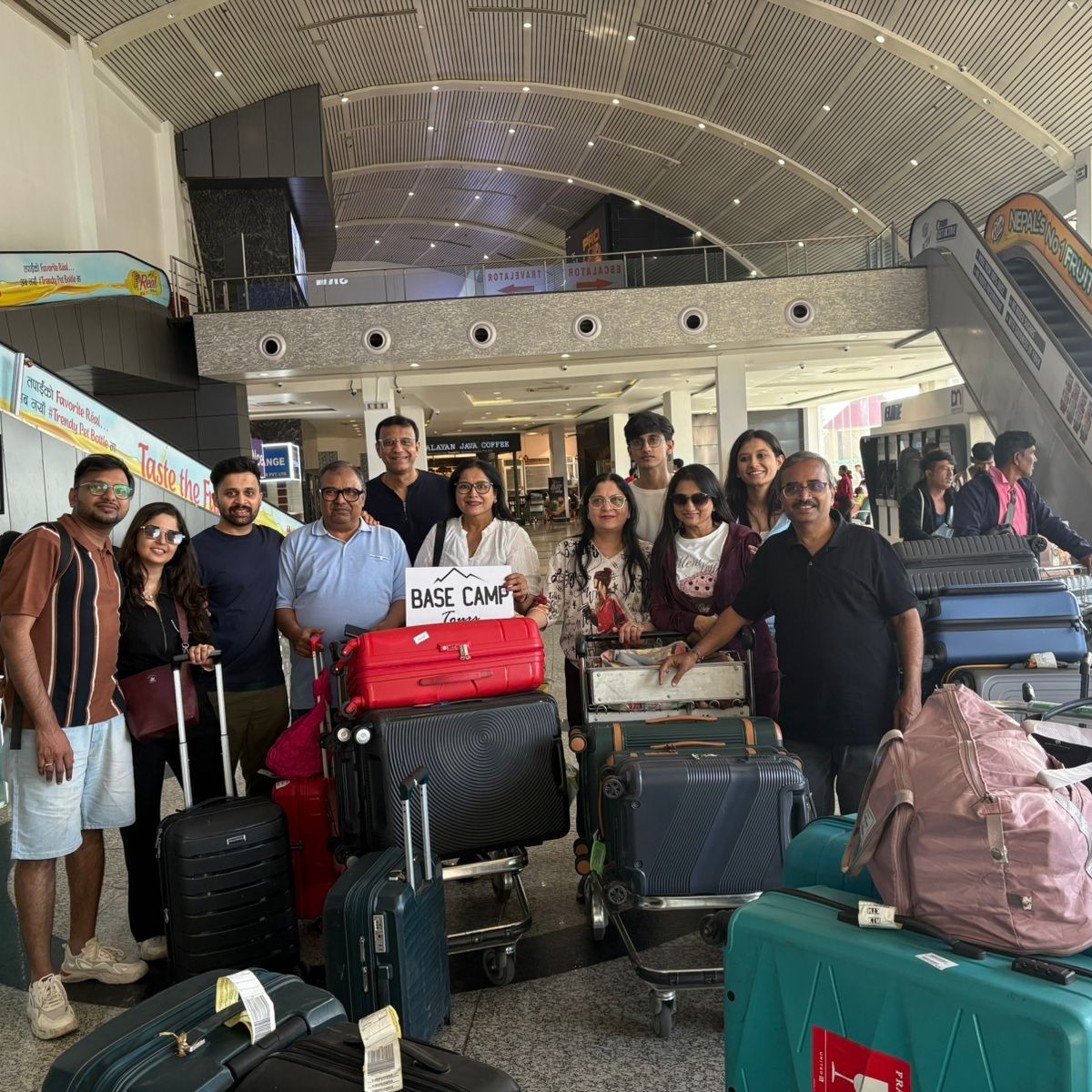
Nepal is among the simplest international trips an Indian citizen can make, but a small paperwork error can still stop a traveller at the airline counter.
Identity documents
- Indian citizens do not need a visa for Nepal.
- A valid Indian passport or an original Voter ID card with photograph is the accepted proof of citizenship.
- Aadhaar alone is not reliably accepted, and airlines may refuse boarding. We advise against relying on it.
- Children should carry a birth certificate or school ID and travel with their parents.
- Rumours: in May 2026 Nepali tourism officials publicly denied reports of a new visa requirement or 30-day limit for Indians. Private vehicles are a separate matter, as a temporary entry permit is needed to drive your own car in.
Currency rules
For many years Indian travellers could bring only ₹100 notes and below into Nepal. Reports on the Nepal Rastra Bank’s July 2026 notice indicate that the rule has been relaxed. Our understanding is as follows:
- ₹200 and ₹500 notes issued on or after 9 November 2016 are now permitted, together with ₹100 and smaller notes.
- The limit is about ₹25,000 per person in these notes, on entry and on exit.
- Old ₹500 and ₹1,000 notes issued before demonetisation remain banned, and ₹2,000 notes are best avoided.
- Shops are not obliged to accept Indian rupees, so carry some Nepali rupees as well. The fixed exchange rate is ₹1 = NPR 1.6.
Currency rules have changed more than once in the past decade. Check the current limit with your airline, your bank or us before departure.
Full entry details are on our Arrival & Visas page. Keep a photograph of your ID on your phone and a paper copy in your luggage.
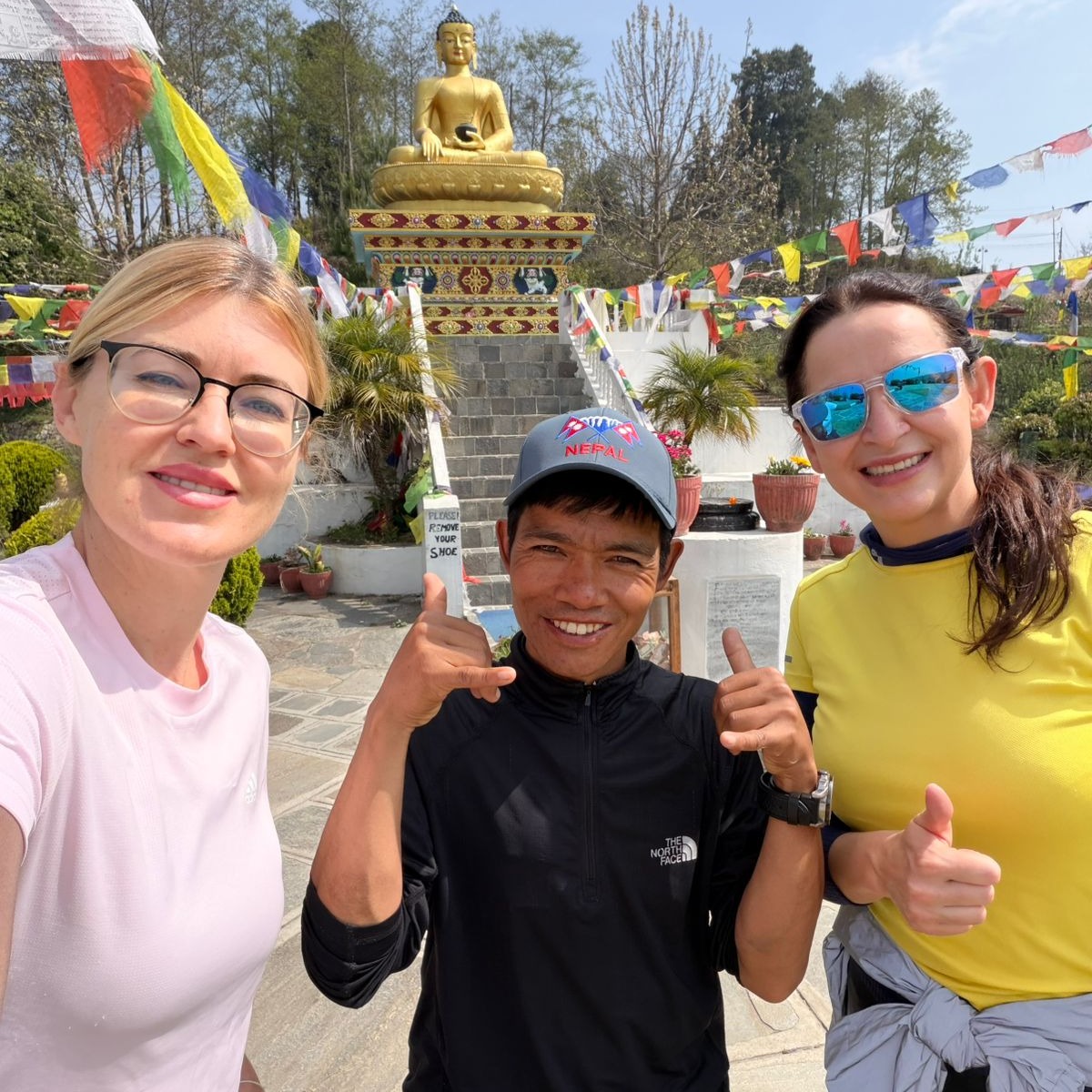
Families and senior travellers
1. Choose the season carefully
The monsoon, roughly June to September, brings landslides, road closures and flight cancellations. October–November and March–May are the more reliable windows. The Nepal Tourism Board issues weather advisories during heavy rain, such as the one covering 25–27 September 2026, and these should be taken seriously. See our best time to go guide.
2. Keep road days short
- Traffic keeps to the left, mountain roads are narrow, and driving standards vary.
- Avoid overnight journeys with children or older travellers.
- Add one to two hours to any map-based estimate.
- Where the budget allows, prefer a short domestic flight to a long road transfer.
3. Respect altitude
Altitude affects pilgrims as much as trekkers. Muktinath, for example, lies above 3,700 m, higher than many visitors expect.
| Place | Approx. altitude | Who should plan carefully |
|---|---|---|
| Pokhara | ~820 m | Suitable for everyone |
| Kathmandu | ~1,400 m | Almost no one |
| Namche Bazaar | ~3,440 m | Everyone; acclimatise before going higher |
| Muktinath | ~3,800 m | Seniors and anyone with heart, blood pressure or lung conditions |
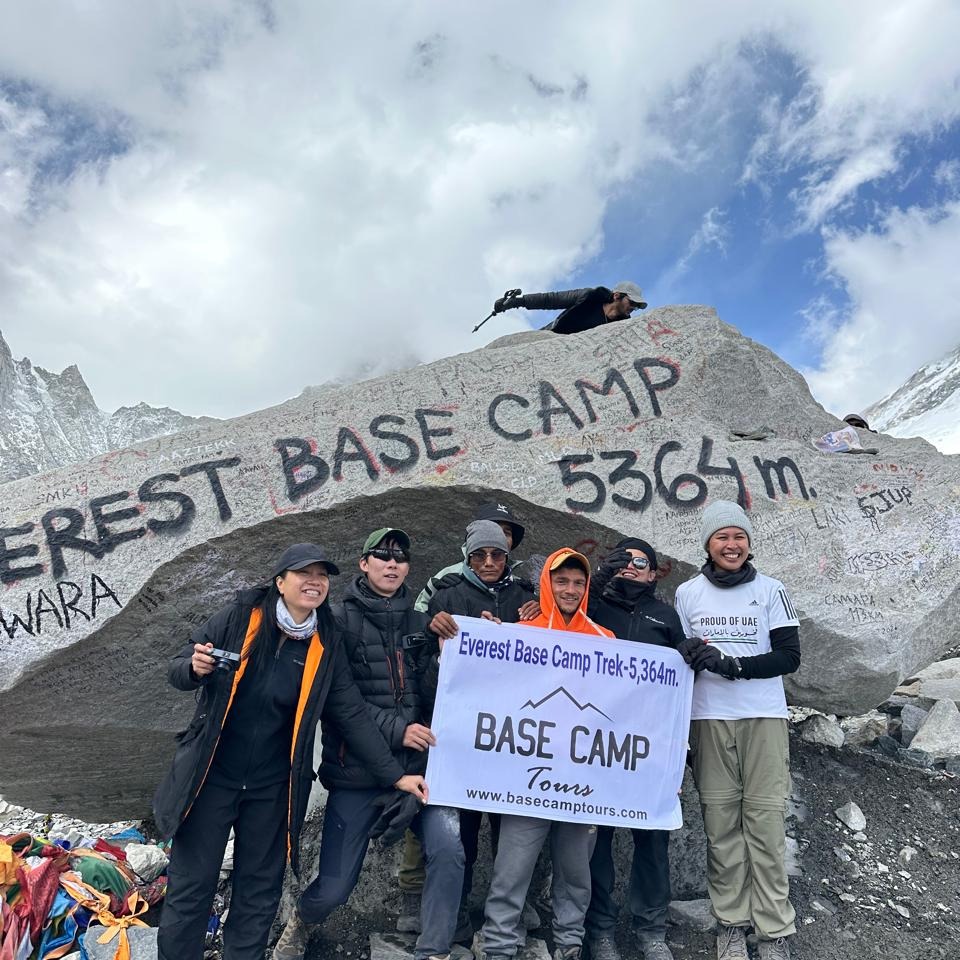
| Everest Base Camp | ~5,364 m | A demanding high-altitude trek; fitness and acclimatisation are essential |
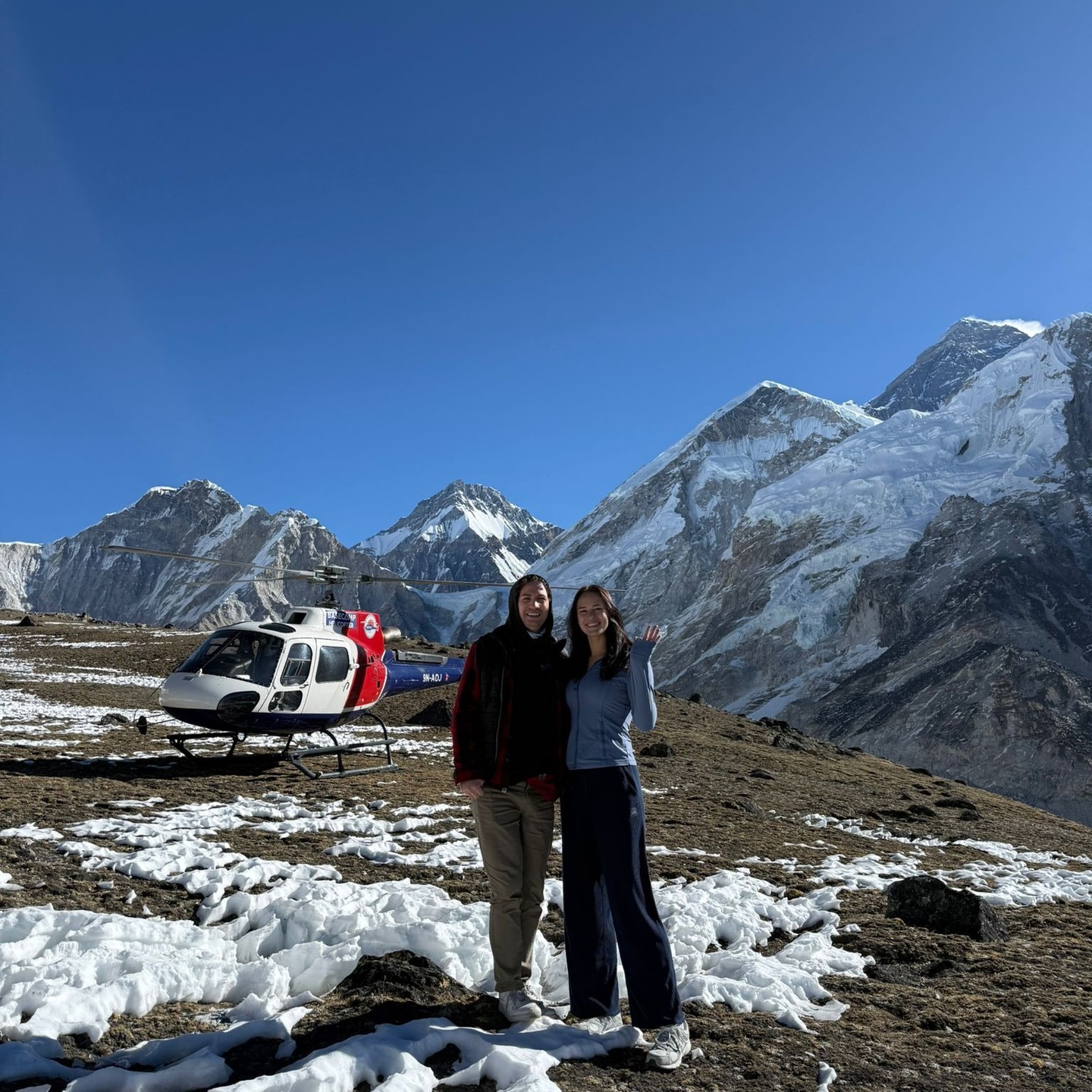
For senior parents: consult a doctor before booking, especially regarding blood pressure and heart conditions; carry regular medicines plus a spare supply; and consider a helicopter option. See our Muktinath packages (by road, flight or helicopter) and helicopter tours. Helicopters remain weather-dependent, so allow a spare day.
Health basics
- Drink bottled or purified water and eat freshly cooked, hot food.
- Carry oral rehydration salts, anti-diarrhoeals, painkillers, plasters and motion-sickness tablets, in addition to regular medicines.
- Confirm recommended vaccinations with your doctor.
- Buy travel insurance. Visitors pay for their own treatment, good care is concentrated in Kathmandu and Pokhara, and medical evacuation cover matters above 3,000 m.
Solo women travellers
Many women travel alone in Nepal and report positive experiences, often describing local people as courteous and helpful. Incidents involving women have also occurred, particularly on isolated trails, so the practical advice differs by setting.
In Kathmandu and Pokhara
- Choose a central, well-reviewed hotel (Thamel and Lakeside are popular) and read recent reviews written by women.
- Arrive in daylight, especially on your first day.
- Use registered taxis or ride-hailing apps, and share your live location with someone you trust.
- Dress modestly at temples and in local neighbourhoods; it helps you blend in.
- Keep your drink in sight and decline food or drink from strangers.
- Trust your instincts and leave any situation that feels wrong.
On treks
Official advisories are consistent on this point: do not trek alone. Travel with a registered agency and licensed guide, or join a small group.
- Trekkers need a TIMS card and the relevant national park or conservation area permit.
- Restricted regions such as Upper Mustang, Nar Phu and Manaslu require special permits and a guide. Rules for other routes have changed in recent years, so confirm them at the time of booking.
- Share your route and daily plan with your agency or hotel, and carry a charged phone and a power bank.
- Discuss your preferences regarding guide and group composition with the operator before booking.
See our trekking tips and packing list before you go.
Common myths, corrected
| Myth | Reality |
|---|---|
| “Nepal is unsafe after the 2025 protests.” | The protests have ended, advisories were eased, and tourist areas are operating. Keep an eye on local news. |
| “Indians now need a visa or face a 30-day limit.” | No. Nepali tourism officials denied this in May 2026. Carry a passport or Voter ID. |
| “Aadhaar is enough.” | Not reliably. Airlines may refuse boarding. Carry a passport or Voter ID. |
| “Altitude only affects trekkers.” | Pilgrims at Muktinath (about 3,800 m) can also develop altitude sickness. |
| “A helicopter removes all risk.” | It removes the walking, not the weather. Flights can be delayed or cancelled. |
| “A woman cannot travel to Nepal alone.” | Many do. The risk is greatest on isolated trails, where a guide is strongly advised. |
The five main risks, ranked
Many visitors worry about crime first. In practice, nature and logistics matter more.
- Weather and landslides. Check road and flight status daily during the monsoon and shoulder months.
- Altitude sickness. Ascend gradually. If headache, nausea or dizziness worsens, stop or descend.
- Road accidents. Use experienced drivers, avoid night driving and wear seat belts.
- Flight disruption. Mountain flights depend on weather, so keep spare days.
- Petty theft and overcharging. Keep valuables close, agree prices in advance and use licensed services.
Nepal also lies in an earthquake zone, so note your hotel’s exit route, as you would anywhere.
Choosing a reliable operator and avoiding scams
Selecting the wrong operator is one of the most avoidable risks. Before paying anyone, check the following:
| Check | What to look for |
|---|---|
| Registration and licence | A company registration number and a tourism licence number that can be matched to official records. |
| Association membership | Membership of a recognised body such as the Trekking Agencies’ Association of Nepal (TAAN). Ask for proof. |
| Physical offices | An office in Nepal (and in India, if you book from there) with working phone numbers. |
| Own guides and drivers | Ask whether guides and drivers are full-time staff or hired at short notice. |
| Written inclusions | A written list of hotels, meals, transport, permits and exclusions, not a vague “all-inclusive”. |
| Reviews | Recent, detailed reviews on independent platforms such as Tripadvisor. |
| Insurance and evacuation plan | A clear answer to what happens if a guest falls ill at altitude. |
Common scams: taxis with no meter and no agreed fare, strangers offering to “find a cheaper guide”, fake “official” booking counters, and prices that seem too low for the service promised.
Three low-risk sample itineraries
These examples from our packages are built on the principles above: short road days, gentle altitude and weather buffers. Package details change, so please confirm the current plan with us.
A. Kathmandu and Pokhara, 5 days (domestic flights)
- Day 1: Arrive in Kathmandu; visit Pashupatinath Temple.
- Day 2: Fly to Pokhara; local sightseeing.
- Day 3: Sunrise at Sarangkot; Pokhara sightseeing.
- Day 4: Fly back to Kathmandu; local sightseeing.
- Day 5: Departure.
Why it is low risk: every overnight stay is below about 1,400 m, and the flight avoids a long mountain road.
B. Muktinath by helicopter, 3 days
- Day 1: Arrive in Kathmandu; visit Pashupatinath Temple.
- Day 2: Chartered helicopter to Muktinath and back.
- Day 3: Departure.
Why it suits seniors: there is no long, rough road journey and the time at altitude is short. Keep a spare day for weather.
C. Poon Hill short trek, 3 days
- Day 1: Drive from Pokhara to Ulleri and trek to Ghorepani.
- Day 2: Poon Hill sunrise (about 3,200 m), then trek towards Tadapani.
- Day 3: Trek to Ghandruk and drive to Pokhara.
Why it suits first-timers: a short route with a moderate high point and good teahouse facilities. Travel with a registered guide, and confirm current trail conditions in Myagdi district following the September rains.
Emergency contacts and what to do
| Service | Number |
|---|---|
| Tourist Police (toll-free, English-speaking) | 1144 |
| Tourist Police, Kathmandu office | 01-5347041 |
| Tourist Police, Thamel | 9851289453 |
| Police | 100 |
| Ambulance | 102 |
| Fire | 101 |
Tourist Police posts also operate in popular areas including Pokhara, Sauraha (Chitwan), Lukla, Jomsom and Ghorepani.
Step by step
- Move to safety and call 1144 or 100.
- Contact your operator and insurer. Keep their numbers saved offline.
- Request a written police report if a crime has occurred; insurers will need it.
- Inform your family and share your location.
- For altitude sickness, descend first and seek advice afterwards.
A woman who has been assaulted can ask the police for a female officer where one is available, and should say so if she suspects she was drugged.
Pre-departure checklist
- ☐ Passport or original Voter ID, plus photocopies
- ☐ Travel insurance with medical evacuation for treks and high-altitude trips
- ☐ Registered operator, hotels and guide confirmed in writing
- ☐ Currency: only ₹200/₹500 notes issued after November 2016, within the limit, plus some Nepali rupees
- ☐ Weather and road check 48 hours before each travel day
- ☐ 1144, 100 and 102 saved in your phone
- ☐ Offline maps downloaded
- ☐ Regular medicines and a small first-aid kit
- ☐ Emergency contact and itinerary shared with family
- ☐ One spare day in the schedule
Frequently asked questions
Is Nepal safe for Indians right now?
For most travellers, yes. Entry is visa-free with a passport or Voter ID, and the 2025 protests have ended. Stay informed about local news and weather, and confirm that your chosen region is open following the 2026 floods.
Can I enter Nepal with only an Aadhaar card?
Not reliably. Carry a valid Indian passport or an original Voter ID.
Can I carry ₹500 notes into Nepal?
Reports indicate that ₹200 and ₹500 notes issued after 9 November 2016 have been allowed since July 2026, up to about ₹25,000 per person. Confirm the current rule before you travel.
Is Nepal safe for a woman travelling alone?
Cities and popular tourist areas are generally fine with ordinary precautions. Do not trek alone; use a registered guide.
Is Nepal safe for senior parents?
Yes, with the right season, gentle altitude, medical documents, insurance and, where needed, a helicopter option for high-altitude sites.
When is the safest time to visit?
October–November and March–May are the most reliable. Monsoon months carry a higher risk of landslides and flight disruption.
Whom do I call in an emergency?
Tourist Police 1144, Police 100, Ambulance 102, Fire 101.
Plan your Nepal trip with Basecamp Tours
We have operated since 2014, with our own full-time English-speaking guides and drivers and offices in India and Nepal. We are a member of the Trekking Agencies’ Association of Nepal (TAAN). Our registration number is 269535/078/079 and our tourism licence is 3121/080 (view our legal documents).
Tell us who is travelling and when, and we will recommend a route, season and pace that fit, whether for a family of six with grandparents, a first Everest trek or a woman travelling solo.
- Everest Base Camp trek
- Annapurna Base Camp trek
- Muktinath Darshan package
- Kathmandu and Chitwan safari tour
- Kailash Mansarovar (the Rasuwagadhi–Kerung route is paused after the floods; please ask for current options)

Official sources to check before you travel
- Tourist Police Nepal (Department of Tourism)
- US State Department: Nepal travel advisory
- UK FCDO: Nepal travel advice
- Nepal Tourism Board travel updates
Rules and advisories change. Always check the official sources above, and your airline, before you travel.