 0
Nepal Honeymoon and Family Trip Plans: Kathmandu, Pokhara and Chitwan
Nepal Honeymoon and Family Trip Plans: Kathmandu, Pokhara and Chitwan
AI note: Researched and drafted with AI, then fact-checked by the Nepal Local team.
Kathmandu, Pokhara and Chitwan form Nepal’s easiest and most rewarding first-trip circuit. All three sit at low altitude, they have good hotels, and each offers something different: temples and old royal squares, a lake beneath the Annapurna range, and a jungle with rhinos. You do not need to trek, to be especially fit, or to carry a visa.
This guide explains how to combine the three for a honeymoon or a family holiday, how many days each needs, which plan suits which travellers, and what to check after the 2026 floods.
What each destination offers
| Place | Altitude | Best for | Typical stay |
|---|---|---|---|
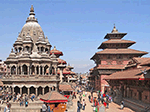
| Kathmandu | ~1,400 m | Pashupatinath, Boudhanath, Swayambhunath, Patan and Bhaktapur. Culture, food, shopping. | 2 to 3 nights |
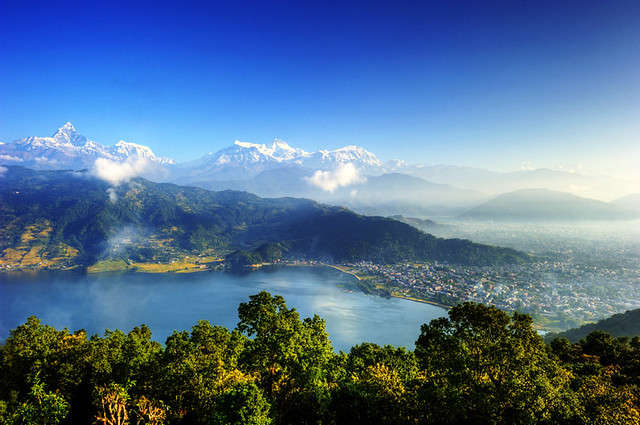
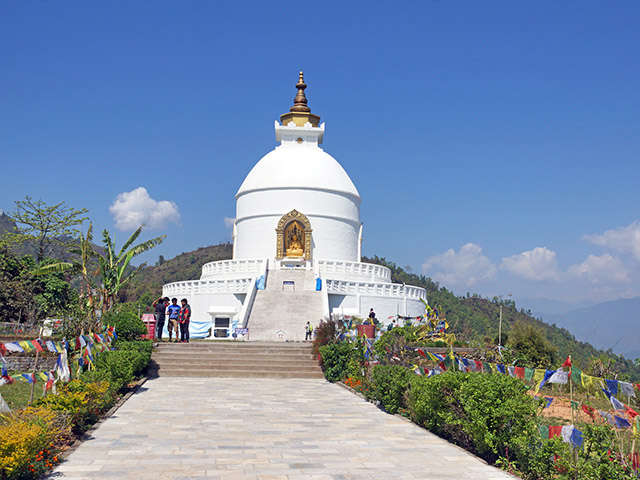
| Pokhara | ~820 m | Phewa Lake, Sarangkot sunrise, the World Peace Stupa, Devi’s Fall and Mahendra Cave. Relaxed and scenic. | 2 nights |
| Chitwan | Low plains | One-horned rhinos, birdlife, Tharu culture and, with luck, a tiger. Wildlife and village life. | 1 to 2 nights |
| Nagarkot (optional) | ~2,000 m | A quiet hill stay near Kathmandu for sunrise and mountain views. | 1 night |
Which plan suits whom
| Travellers | Suggested plan | Why |
|---|---|---|
| Honeymoon, short on time | 3 days: Kathmandu and Nagarkot, or Pokhara only | Little travelling, plenty of quiet time |
| Honeymoon, a proper break | 5 to 6 days: Kathmandu, Pokhara, then Chitwan | Temples, lakeside evenings and a jungle stay |
| Family with young children | 4 to 5 days: Kathmandu and Pokhara by flight | Avoids the long road journey |
| Family with school-age children | 6 days with Chitwan | The jungle is usually the children’s highlight |
| Three generations | 4 to 5 days: Kathmandu and Pokhara, flight both ways | Low altitude, short days, easy sightseeing |
Honeymoon plans
Plan 1: Kathmandu and Nagarkot, 3 days
- Day 1: Arrive in Kathmandu and visit Pashupatinath Temple.
- Day 2: Chandragiri Hills and Patan, then transfer to Nagarkot for the evening.
- Day 3: Sunrise at Nagarkot, Bhaktapur Durbar Square, then departure.
Best for: couples with only a long weekend. The hill stay gives you quiet and views without a long journey.
Plan 2: Pokhara, 3 days
- Day 1: Arrive in Pokhara and take a relaxed first look around the lakeside.
- Day 2: Local sightseeing: Devi’s Fall, Mahendra Cave, the World Peace Stupa and a boat on Phewa Lake.
- Day 3: Sarangkot sunrise, then departure.
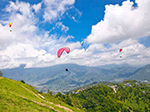
Best for: couples who want one calm base, with optional paragliding or lakeside dining on the free hours.
Plan 3: Kathmandu, Pokhara and Chitwan, 6 days
- Day 1, Kathmandu: Airport pickup, Pashupatinath Temple and Boudhanath Stupa.
- Day 2, to Pokhara: Private car drive of about 6 to 7 hours, or a short flight. Evening by the lake.
- Day 3, Pokhara: Sunrise at Sarangkot, Bindabasini Temple, World Peace Stupa, Devi’s Fall and Mahendra Cave.
- Day 4, to Chitwan: Drive to Chitwan National Park and spend the afternoon on a safari.
- Day 5, Chitwan and Kathmandu: Early jungle walk, drive back, then Swayambhunath and Patan Durbar Square.
- Day 6: Departure.
This is the outline of our Kathmandu Tour and Chitwan Safari (6 days, 5 nights). More ideas are on our honeymoon packages page.
Family plans
Plan A: Kathmandu and Pokhara by flight, 4 days
- Day 1: Arrive in Kathmandu, visit Pashupatinath Temple.
- Day 2: Fly to Pokhara; local sightseeing.
- Day 3: Sarangkot sunrise and Pokhara sightseeing, then fly back to Kathmandu and see the main sights.
- Day 4: Departure.
Why families like it: a short flight of about half an hour replaces a long road day, and every stay is below about 1,400 m. Keep a spare day, because flights can be delayed by weather.
Plan B: The 6-day circuit with Chitwan
Use Plan 3 above, and ask whether the Kathmandu–Pokhara leg can be flown. Chitwan is a long drive from both cities, so it works best when children are old enough to enjoy a full day in a vehicle.
Tips for travelling with children and parents
- Limit road transfers to one long day, and start early.
- Carry motion-sickness tablets, drinking water, snacks and a light layer for the evenings.
- The Sarangkot sunrise means a 5:00 am start. Skip it if anyone is tired, since Pokhara has other good viewpoints.
- Choose hotels with lifts or ground-floor rooms for older parents.
- Take photos of passports and ID, and keep emergency numbers saved (Tourist Police 1144, Police 100, Ambulance 102).
See our Nepal safety guide for Indian families for health, insurance and emergency advice.
Chitwan: choosing your safari
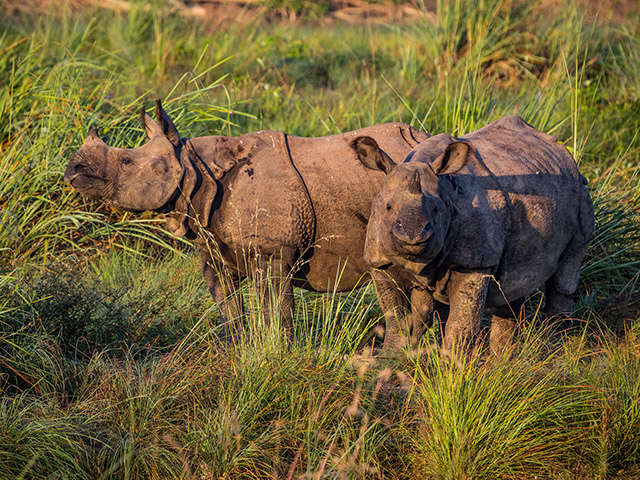
Most visitors choose between three ways to see the park:
- Jeep safari: covers the most ground and suits children and older travellers. Jeep safaris are usually paused in the monsoon and restart afterwards, so confirm they are running for your dates.
- Guided jungle walk: quiet and close to nature, led by a trained naturalist. Best for fit adults and older children.
- Canoe ride: a calm way to spot crocodiles and birds along the river.
Elephant safaris are still offered at many lodges and appear in some packages, including ours. Animal-welfare groups have raised concerns about riding, so many travellers now prefer jeep, walking or canoe activities. If this matters to you, tell us before booking and we will discuss the options.
Stay one night at minimum, and two if you can, since the best wildlife viewing is early morning and late afternoon. Do not enter the jungle without a licensed guide.
When to go, and after the floods
| Season | What to expect |
|---|---|
| October–November | Clear skies and mild days, with the best mountain views. The busiest and most expensive period. |
| December–February | Cool to cold mornings in Kathmandu and Pokhara; pleasant in Chitwan. Quieter hotels. |
| March–May | Warm to hot, with rhododendron blooms in the hills. Hazy views in the afternoon. |
| June–September | Monsoon. Landslides, road blocks and flight delays; Chitwan jeep safaris are normally suspended. |
See our best time to go guide for detail.
After the 2026 floods
Kathmandu and Pokhara were not directly affected by the August and October floods, and are reported open. The Chitwan highways were blocked in places during the heavy rain of late September. The Kathmandu Post reported on 23 October that major highways had reopened, but that travellers and hoteliers remained worried about renewed closures in heavy rain, and that bookings had suffered. Sauraha businesses expect arrivals to continue through to around April or May.
- Check road and weather conditions two or three days before each transfer.
- Add a buffer day if you have a flight home soon after Chitwan.
- Avoid driving at night, particularly on the Mugling–Narayangadh stretch in wet weather.
Our full report is in Nepal floods 2026: is it safe to travel now?
Practical advice: ID, money, packing
- ID: Indian citizens need no visa. Carry a valid passport or an original Voter ID. Aadhaar alone is not reliably accepted at the airport.
- Money: Rules on Indian currency notes have changed recently. Check the current limits with your bank or us before travelling, and carry some Nepali rupees.
- Pricing: The cost depends on hotel category, season, the number of travellers and whether you fly between cities. Ask us for a quote for your dates.
- Packing: Light layers, a warm jacket for evenings and Nagarkot, comfortable walking shoes, mosquito repellent for Chitwan, sunscreen and a rain jacket. Our packing list has the full set.
- Insurance: Buy travel insurance that covers medical care and trip changes.
Frequently asked questions
How many days do I need for Kathmandu, Pokhara and Chitwan?
Five to six days is comfortable. With only three or four days, choose Kathmandu with Pokhara, or Pokhara alone, and skip Chitwan.
Is Nepal good for a honeymoon?
Yes. Pokhara and Nagarkot are quiet and scenic, Kathmandu adds culture, and Chitwan adds a jungle stay. The low altitudes mean no special fitness is needed.
Is this trip suitable for children and senior parents?
Yes. All three places are at low altitude. The main challenge is road time, so use a domestic flight between Kathmandu and Pokhara when possible and keep Chitwan optional.
How long is the drive from Kathmandu to Pokhara?
About 6 to 7 hours by private car, depending on traffic and road conditions. The flight takes around half an hour.
Is Chitwan open after the floods?
Reported open, with major highways reopened, but heavy rain can disrupt roads. Check conditions shortly before travel.
When is the best time to visit?
October to November and March to May are the most popular. Avoid June to September if you want to do safaris and travel by road with confidence.
Plan your Nepal honeymoon or family trip with Basecamp Tours
Tell us who is travelling, your dates and how much time you have, and we will suggest a route and pace to match.
Sources and further reading
- The Kathmandu Post: Dashain brings fewer domestic tourists to Sauraha (23 Oct 2026)
- The Himalayan Times: Chitwan National Park to reopen jeep safaris
- Tourist Police Nepal (hotline 1144)
- Nepal Tourism Board travel updates
Itineraries are examples from our packages and can be adjusted. Rules, road conditions and prices change, so please confirm before you travel.
AI note: This article was researched and drafted with AI, then fact-checked by the Nepal Local team.