The short answer
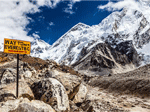
Tibet's towns sit at about 3,600 to 4,500 metres and passes go higher, so altitude sickness is the main health risk. Arrive slowly, rest on day one, drink water, avoid alcohol and move gently. Mild headache is common; severe headache, vomiting or confusion means descend and seek help.
Talk to a doctor before the trip, especially with heart or lung conditions, and carry insurance that covers evacuation.
Key facts
- Towns
- 3,600 to 4,500 m
- Common
- Headache, breathlessness
- Rule
- Rest, water, descend if worse
- Prepare
- Doctor, insurance
How it works
- See a doctorBefore departure.
- Rest on arrivalDay one.
- Drink waterOften.
- Avoid alcoholAnd heavy meals.
- Descend if worseDo not wait.
Insider tip
Plan the first two days lightly.
Avoid this
Do not ignore worsening symptoms to keep to the schedule.
Related questions
Is oxygen available?
Some hotels and vehicles carry it; ask.
Can children go?
Ask a doctor first.
Quick trip match
Plan your Nepal trip in 60 seconds
Answer four short questions. We show trips that fit, and a planner can send a route and price. Free, no payment.
Trips that match this guide
Keep reading
More guides to explore
- Kailash and Muktinath by Language and GroupKailash and Muktinath for language groups and group yatras.
- Spiritual Nepal: Yoga, Meditation and RetreatsYoga, meditation, retreats and spiritual culture.
- The Buddhist Circuit Around LumbiniThe sites around Lumbini connected to the Buddha.
- Nepal Char DhamPashupat, Mukti, Ruru and Baraha Kshetra, with routes and days.
- All Nepal guidesBrowse every place and theme.