The short answer
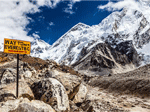
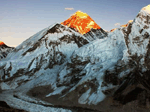
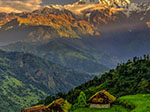
Mountains look best in the first hour after sunrise, when air is clear and low light brings out ridges and snow texture. By mid-morning haze and cloud often build and flatten the scene. Plan to be at your viewpoint before first light and stay at least thirty minutes after the sun reaches the peaks.
Use the foreground: a temple flag, a terraced field or a tree gives scale. Protect gear from dust and cold, keep spare batteries warm in an inside pocket, and take a few frames at different exposures because snow can fool the meter.
Key facts
- Best hour
- First hour after sunrise
- Tips
- Foreground, wide lens
- Cold
- Keep batteries warm
- Season
- Oct to Nov clearest
How it works
- Pick a viewpointSee sunrise viewpoints.
- Check the seasonSee views by season.
- Arrive before dawnSet up in the dark.
- Use foregroundFlags, trees, terraces.
- Review and adjustCheck your exposure after a few frames.
Insider tip
Scout the viewpoint the evening before so you know where to stand in the dark.
Avoid this
Do not rely on a phone battery in the cold; carry a power bank.
Related questions
Can I shoot with a phone?
Yes, especially in good light; use a wide mode and avoid heavy digital zoom.
Is haze a problem?
Often in spring; autumn is usually clearer.
Plan your Nepal trip in 60 seconds
Answer four short questions. We show trips that fit, and a planner can send a route and price. Free, no payment.
Trips that match this guide
Keep reading
More guides to explore
- Springs, Caves and GardensHot springs, caves, shaligrams, gardens and retreats.
- Karnali: Surkhet, Jumla, Humla and DolpoRemote far-west Nepal: Kakre Vihara, Sinja, Limi, Dolpo.
- PokharaDays, flight or road, season, stay, things to do and cost.
- Lakes and ViewpointsEasy lakes, remote lakes and sunrise viewpoints.
- All Nepal guidesBrowse every place and theme.