
The short answer
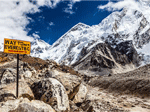
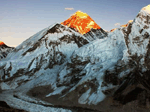
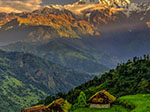
Nepal covers a small share of the earth's land, yet it holds a very large variety of life because its height ranges from the near-sea-level Terai to Everest within about 150 kilometres. Climate runs from subtropical to arctic, so jungle, hill forest, alpine meadow and snow all sit close together.
The country is known for hundreds of bird species, hundreds of butterfly species, many orchids and several large mammals such as tigers, rhinos, elephants and snow leopards. Exact counts differ by source, so treat numbers as approximate and use them in context only.
Key facts
- Height range
- Near sea level to Everest
- Distance
- About 150 km
- Climate
- Subtropical to arctic
- Counts
- Approximate; sources differ
How it works
- Choose a zoneTerai, hills or mountains.
- Pick the seasonWinter for jungle, spring for flowers.
- Hire a naturalistBetter sightings.
Insider tip
Visit two zones, Terai and hills, to see the most variety.
Avoid this
Do not quote exact species counts without a source.
Related questions
Where to see tigers?
Chitwan, Bardia, Parsa and Banke.
Where to see snow leopards?
Shey Phoksundo and high Himalayan parks, rarely.
Plan your Nepal trip in 60 seconds
Answer four short questions. We show trips that fit, and a planner can send a route and price. Free, no payment.
Trips that match this guide
Keep reading
More guides to explore
- Famous Places in NepalFamous places, top 10, cities and offbeat picks.
- Seasonal NepalRhododendron, autumn views, snow, monsoon and wildflowers.
- More Places and TopicsKushma, Damodar Kunda, Machhapuchhre, Phoksundo and more.
- Where to Go in NepalHow the regions compare, first-trip routes, season, transport and what drives the price.
- All Nepal guidesBrowse every place and theme.