
Top 40 places to visit in Nepal: the short answer. For a first trip, build around Kathmandu, Pokhara and Chitwan, then add a pilgrimage site such as Lumbini or Muktinath, or a trek in the Everest or Annapurna region. The other 30-odd places below suit repeat visitors, short side trips and travellers who want quieter corners of Nepal.
Nepal is small on the map but packed with variety: lowland jungles, medieval towns, sacred temples, hill stations, tea gardens and the highest mountains on Earth. This guide lists 40 places to visit in 2027 and 2028, grouped by theme, with notes on what each one offers and who it suits. Use the quick-pick table to start, then dip into the sections that match your trip.
Quick picks
| If you want… | Start with |
|---|---|
| Culture and temples | Kathmandu Valley, Bhaktapur, Patan, Boudhanath |
| Wildlife | Chitwan, Koshi Tappu, Bardia (see our wildlife guide) |
| Lakes and relaxation | Pokhara, Sarangkot, Bandipur |
| Pilgrimage | Muktinath, Lumbini, Janakpur, Manakamana |
| Big mountains | Sagarmatha, Annapurna, Manaslu |
| Easy day trips from Kathmandu | Nagarkot, Dhulikhel, Chandragiri, Kirtipur, Panauti |
After the 2026 floods. The Langtang, Trishuli and Manaslu valleys were hit hardest. Entries for Langtang, Nuwakot, Gorkha and Manaslu below carry a note, so confirm current conditions with us before you plan anything there. See our flood update.
Cities and the Kathmandu Valley

1. Kathmandu
Nepal’s capital is a lively mix of ancient temples, narrow lanes, rooftop cafés and modern traffic. It can feel overwhelming at first, but it is the best base for sightseeing and for organising treks, with enough to fill several days. Best for: first-time visitors and culture lovers.

2. Kathmandu Valley
The valley, at roughly 1,300 m, holds seven UNESCO World Heritage monument zones: the Durbar Squares of Kathmandu, Patan and Bhaktapur, the stupas of Swayambhu and Boudhanath, and the temples of Pashupatinath and Changu Narayan. Hindu and Buddhist traditions blend here more closely than almost anywhere. Best for: history and architecture.

3. Bhaktapur
Bhaktapur means “city of devotees” and is the best-preserved medieval town in the valley, with brick lanes, carved windows and the tall Nyatapola Temple. It has an art gallery and strong craft traditions. Stay overnight if you can, since mornings and evenings are the quietest times. Best for: traditional architecture and crafts.

4. Patan (Lalitpur)
Patan is known for its metalwork, woodcarving and Buddhist heritage. Its Durbar Square and the Patan Museum inside the old palace are the highlights, and the Mahabouddha temple, covered with Buddha images, rewards a short walk. Best for: museums and handicrafts.

5. Kirtipur
This small Newar hilltop town sits on a ridge just southwest of Kathmandu. It has old temples such as Bagh Bhairav, quiet lanes and good views over the valley, and feels far from the city traffic although it is close by. Best for: a short half-day visit.

6. Panauti
About an hour from Kathmandu, Panauti is a calm Newar town where two rivers meet. It is known for its old temples, including the Indreshwar Mahadev Temple, and for its peaceful, unhurried streets. Best for: a quiet cultural day trip.

7. Chitlang
Chitlang lies in a green valley beyond Chandragiri Hill and keeps traditional Newar and Tamang village life. Visitors come for easy walks, homestays and views of terraced hills, away from the crowds of the main sights. Best for: village life and gentle walking.
Parks, wildlife and nature

8. Chitwan National Park
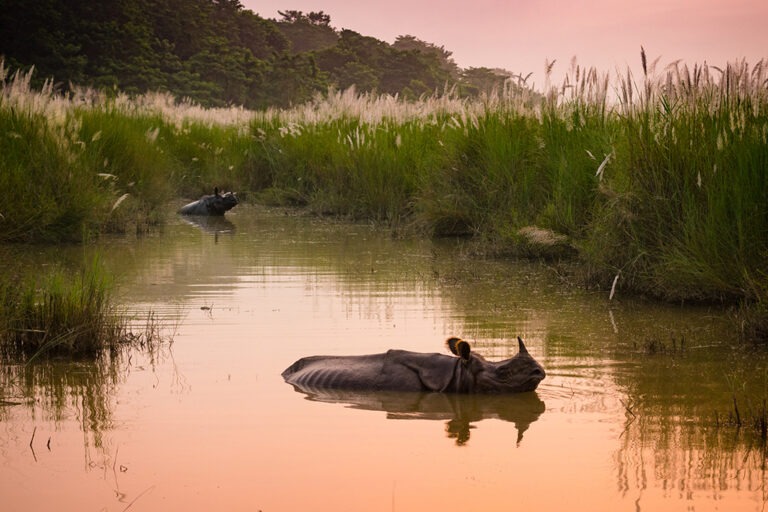
Established in 1973 and listed as a World Heritage Site in 1984, Chitwan covers about 950 sq km of forest and grassland. It is the easiest place in Nepal to see one-horned rhinos and a chance of a tiger, with jeep safaris, canoe trips and bird walks. The dry season from October to April is best. See our wildlife guide. Best for: wildlife and families.

9. Koshi Tappu Wildlife Reserve
This wetland reserve on the Koshi river in eastern Nepal is a Ramsar-listed bird paradise. Hundreds of species stop here, especially in winter, and it also holds the last wild water buffalo herd in Nepal. Best for: bird watching in winter.

10. Shivapuri Nagarjun National Park
The forest on the northern rim of Kathmandu is the closest national park to the capital. It offers hiking trails, birds and quiet viewpoints, and can be visited in half a day when you want a break from the city. Best for: a nature break from Kathmandu.

11. Bharatpur
Bharatpur is the main city of the Chitwan district, and nearby Bishazari Tal is a wetland reserve known for birds and wildlife. It works as a quiet complement to a Chitwan jungle stay. Best for: bird watching and a calm wetland walk.

12. Narayangarh
Narayangarh is a busy junction town on the Narayani river in Chitwan, where the highway to Kathmandu meets the road to the west. Most visitors pass through, but it is useful for planning and as a connection to other regions. Best for: a transit stop on the way to Chitwan.

13. Shashwat Dham
This large Hindu temple complex near Sauraha adds a spiritual stop to a Chitwan visit and is popular with Indian families. Go outside the heat of the day. Best for: an easy cultural stop beside Chitwan.
Pilgrimage and heritage

14. Muktinath
Muktinath is sacred to both Hindus and Buddhists, with 108 water spouts and a flame temple at around 3,800 m. Pilgrims arrive by road, flight or helicopter. Read our Muktinath guide. Best for: pilgrims and seniors with a helicopter option.

15. Lumbini
Lumbini is where the Buddha was born, and its gardens, the Maya Devi Temple, ancient ruins and monasteries from many countries make it one of the world’s key Buddhist pilgrimage sites. The Gautam Buddha International Airport nearby has made access easier. Best for: peace and Buddhist heritage.

16. Janakpur
Janakpur is the ancient capital of Mithila and is known as the birthplace of Sita and the site of her marriage to Rama. The Janaki Mandir is the main draw, and the city has a well-established pilgrim culture, food familiar to Indian visitors and easy flights to Kathmandu. Best for: Hindu pilgrims and Indian families.

17. Manakamana
A wish-fulfilling goddess shrine reached by cable car above the Trishuli river valley. The ride is half the fun, with views of terraced hills, and the temple is a popular stop between Kathmandu and Pokhara. Best for: a short pilgrimage between Kathmandu and Pokhara.

18. Pathibhara Temple
Pathibhara is a remote, popular hilltop shrine in Taplejung, in the far east, believed to grant wishes. Reaching it takes time, and it suits travellers already exploring eastern Nepal. Best for: adventurous pilgrims in the east.

19. Gorkha
Gorkha is the hill town from which Nepal’s unification began, with an old palace on a ridge and a temple cave. It is also the gateway to the Manaslu region, which was hit by the 2026 floods, so check conditions first. Best for: history and royal heritage.

20. Nuwakot
Nuwakot is a historic fortress town north-west of Kathmandu, once a staging point for the unification campaign. Some buildings were damaged in the 2015 earthquake, and the nearby Trishuli valley was affected in 2026, so confirm access before visiting. Best for: history and views.
Hill stations and viewpoints

21. Pokhara
Nepal’s holiday capital sits beside Phewa Lake with the Annapurna range behind. It has boating, paragliding, cafés, caves and temples, and is the starting point for treks and for flights and drives to Muktinath. Best for: relaxation and adventure.

22. Sarangkot
A viewpoint at about 1,600 m above Pokhara, famous for sunrise over the Annapurna and Dhaulagiri ranges. It is also the launch point for paragliding. Go early for the clearest views. Best for: sunrise views.

23. Nagarkot
At about 2,195 m, Nagarkot is a ridge village east of Kathmandu with long mountain views on clear days. It is a good first night at moderate altitude before a trek. October to December and March to April are clearest. Best for: sunrise and sunset views.

24. Chandragiri Hill
A cable car lifts you from the valley’s edge to a ridge with a small temple and wide views. Plan a half day and go in the morning before clouds form. Best for: a half-day escape from Kathmandu.

25. Dhulikhel
Dhulikhel is a Newar hill town east of Kathmandu with Himalayan views and good hotels. Nearby, the Namo Buddha monastery is a peaceful pilgrimage and hiking stop. Best for: sunrise views and walking.

26. Daman
Daman is a high point on the old highway between Kathmandu and the southern plains, with a viewing tower and a wide panorama of the Himalaya on clear mornings. Best for: a roadside viewpoint stop.

27. Bandipur
Bandipur is a preserved Newar hill town with a car-free bazaar, old houses and views of the Himalaya. It makes a charming overnight between Kathmandu and Pokhara. Best for: a slow overnight stop.
Mountains and trekking regions

28. Sagarmatha National Park
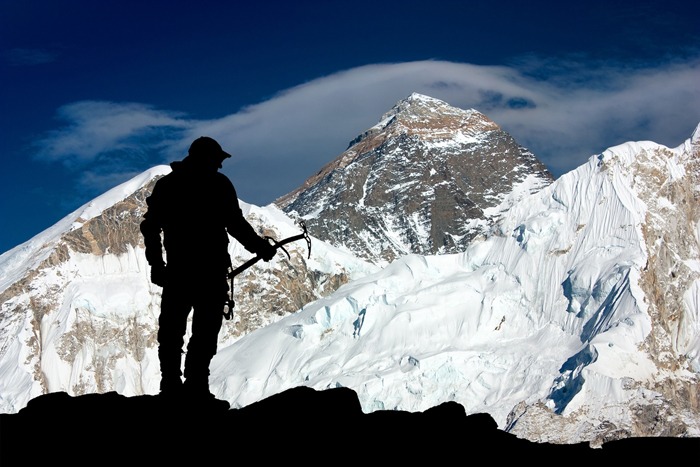
Home to Everest, this national park in the Khumbu was established in 1976 and became a World Heritage Site in 1979. It covers around 1,100 sq km, rising to 8,848 m, with Sherpa villages, monasteries and wildlife. October–November and March–May are the best months. See our Everest Base Camp trek. Best for: trekkers and mountain lovers.

29. Lukla
Lukla is the mountain airstrip where most Everest treks begin. Flights depend on weather, so allow spare days. Best for: starting an Everest trek.

30. Annapurna Conservation Area
Created in 1992, this is Nepal’s largest protected area at about 7,600 sq km. Treks range from the short Poon Hill walk to Annapurna Base Camp and the Annapurna Circuit, passing through forest, farmland and high desert. See our Annapurna Base Camp trek. Best for: trekkers of every level.

31. Langtang National Park
Langtang, created in 1976, was the first Himalayan national park in Nepal and offers three main routes: the Langtang valley, Helambu and Gosaikunda. The area suffered badly in the 2026 floods, so ask us for the current status before planning. Best for: a short trek, once conditions allow.

32. Mustang
Mustang is a high, dry region of cliffs and old Buddhist villages. Upper Mustang is a restricted area requiring a special permit and a guide, while Lower Mustang is open with fewer formalities. Best for: culture and desert scenery.

33. Jomsom
Jomsom is the main town of the Mustang valley, with an airport, hotels and the gateway to Muktinath and Kagbeni. Winds rise in the afternoon, so flights run in the morning. Best for: a base for Muktinath.

34. Kagbeni
Kagbeni is an old mud-walled village on the Kali Gandaki, at the doorway of Upper Mustang. It is a quiet place for an overnight and a short walk. Best for: an atmospheric stop between Jomsom and Muktinath.

35. Mount Manaslu
Manaslu is the world’s eighth-highest mountain and the centre of a restricted trekking region with special permits. The 2026 floods disrupted parts of the circuit, so check route status first. Best for: experienced trekkers, with a guide.
Towns and gateways

36. Birgunj
Birgunj is the main border crossing between Nepal and India and a busy trading city. Most travellers use it as an entry point and then head north to Kathmandu. Best for: an overland entry point.
Eastern Nepal

37. Dharan
Dharan is a hill town in the east with temples, markets and a relaxed atmosphere. It is a convenient stop on the way to the eastern hills. Best for: exploring eastern Nepal.

38. Biratnagar
Biratnagar is the largest city in the east and has an airport, so it works as a gateway for visits to Ilam, Dharan and Koshi Tappu. Best for: an arrival point for the east.

39. Itahari
Itahari is a busy junction on the East-West Highway where roads to the hills and the plains meet. It is practical rather than scenic, but it links many eastern destinations. Best for: a transit stop.

40. Ilam
Ilam, in the far east, is known for its rolling tea gardens and cool climate. Walks through the plantations and views of the hills make it a pleasant escape, and Kanchenjunga lies not far to the north. Best for: tea and green scenery.
Planning your trip
| Time available | Suggested combination |
|---|---|
| 5 to 7 days | Kathmandu Valley, Pokhara |
| 8 to 10 days | Kathmandu, Pokhara, Chitwan |
| 10 to 14 days | Add Lumbini, Bandipur or Muktinath by helicopter |
| 14 days or more | An Everest or Annapurna trek plus the Kathmandu Valley |
Read our 20 best places to visit in Nepal for a shorter list, our honeymoon and family trip guide, and our safety guide for documents and altitude.
Frequently asked questions
What are the top places to visit in Nepal?
Kathmandu Valley, Pokhara, Chitwan, Lumbini, Muktinath and the Everest and Annapurna regions are the most popular.
How many days do I need?
Five to seven days covers Kathmandu and Pokhara. Add several more for Chitwan or a trek.
When is the best time to go?
October to November and March to May are the most dependable months.
Which places are affected by the 2026 floods?
The Langtang, Trishuli and Manaslu areas were hit hardest. Ask us for the current status.
Do Indian travellers need a visa?
No. Carry a passport or an original Voter ID.
Tell us your dates and interests, and we will build a route. Contact our Kathmandu team.
Photo credits: images come from stock libraries and contributors on Flickr and Wikimedia Commons.

About the Author Shankar Bhatta