The short answer
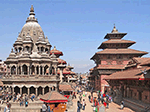
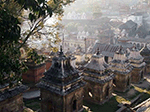
Nepal has long been seen as a land of sages, pilgrims and monasteries. Hindu and Buddhist traditions share temples and festivals, Himalayan caves and riversides have been places of retreat for centuries, and the Buddha's birthplace at Lumbini is here. Visitors come for yoga, meditation courses, temple visits, pilgrimages and quiet time in the hills.
You can keep it light, such as a morning at Pashupatinath or Boudhanath, or go deeper with a multi-day retreat. Decide whether you want teaching, silence, pilgrimage or simply a calm trip, then choose places to match. This describes cultural and spiritual practices as they are followed in Nepal, not medical or financial advice.
Key facts
- Traditions
- Hindu, Buddhist, Newar, Tibetan
- Practices
- Yoga, meditation, pilgrimage
- Places
- Kathmandu, Lumbini, Muktinath, hill retreats
- Pace
- Slow
How it works
- Decide your aimPilgrimage, learning or rest.
- Choose a placeCity temple, monastery or retreat.
- Set the daysA retreat needs several.
- Respect the rulesDress, silence, photos.
Insider tip
Start with one calm morning at a stupa and see how it feels.
Avoid this
Do not expect a quick answer from a short visit; the value builds with time.
Related questions
Do I need to be religious?
No. Many visitors come with curiosity and respect.
Is it all in Kathmandu?
No. Lumbini, Muktinath and hill retreats are also popular.
Plan your Nepal trip in 60 seconds
Answer four short questions. We show trips that fit, and a planner can send a route and price. Free, no payment.
Trips that match this guide
Keep reading
More guides to explore
- The Buddhist Circuit Around LumbiniThe sites around Lumbini connected to the Buddha.
- Nepal Char DhamPashupat, Mukti, Ruru and Baraha Kshetra, with routes and days.
- Religion and Sacred PlacesHindu, Buddhist, Kirat and other sacred places with entry rules.
- Pilgrimage Sites of NepalHindu and Buddhist sites, entry rules, festivals and routes.
- All Nepal guidesBrowse every place and theme.