The short answer
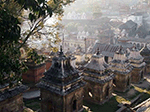
Hinduism is the largest faith (about 81% in the 2021 census), followed by Buddhism (about 8%), Islam (about 5%) and Kirat (about 3%), with smaller Christian, Sikh, Jain and other communities. Many people mix traditions, and temples and stupas often share the same square.
Key facts
- Hindu
- About 81%
- Buddhist
- About 8%
- Muslim
- About 5%
- Kirat
- About 3%
How it works
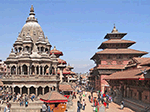
- Start with the mixIn Kathmandu Valley, Hindu temples and Buddhist stupas often stand side by side.
- Learn the main placesPashupatinath, Boudhanath, Swayambhunath, Lumbini and Muktinath are the headline sites.
- Check the calendarDashain, Tihar, Maha Shivaratri and Buddha Jayanti change what is open and crowded.
- Dress and behave respectfullyCover shoulders and knees, remove shoes, avoid leather in some temples.
- Ask a local guideA short briefing at the first site makes the rest easier.
Insider tip
Do not assume one temple rule fits all; check at the gate.
Avoid this
Do not photograph rituals without asking.
Related questions
Is Nepal a Hindu country?
Nepal is a secular republic since 2008, with a Hindu majority and a strong Buddhist heritage.
Do I need a guide for temples?
Not required, but a guide adds context and tells you the entry rules.
Quick trip match
Plan your Nepal trip in 60 seconds
Answer four short questions. We show trips that fit, and a planner can send a route and price. Free, no payment.
Trips that match this guide
Keep reading
More guides to explore
- Pilgrimage Sites of NepalHindu and Buddhist sites, entry rules, festivals and routes.
- Stupas and ShrinesLesser-known stupas, caves and shrines with visit tips.
- LumbiniDays, access from Nepal and India, sights and season.
- JanakpurWhy go, days needed, access and Vivah Panchami.
- All Nepal guidesBrowse every place and theme.