
The short answer
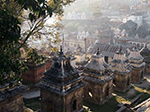
Muktinath is a shared holy site. For Hindus it is a Vishnu temple, one of the most important Vaishnava pilgrimages, associated with the sacred shaligram stones found in the Kali Gandaki. For Buddhists it is known by a Tibetan name that refers to the hundred or so sacred waters, and it is also linked with Padmasambhava and local lamas. The same compound hosts both traditions.
One of its most distinctive features is the small flame shrine, where a natural gas flame burns beside water, which is why many pilgrims see it as a meeting of fire and water. Exact dates for the original shrine are uncertain, so it is safest to describe its history as ancient and layered.
Key facts
- Hindu view
- Vishnu temple, shaligram stones
- Buddhist view
- Sacred waters and lamas
- Feature
- Natural flame beside water
- Age
- Ancient; exact date uncertain
How it works
- Read the backgroundSee significance.
- Ask a guideLocal priests and guides add detail.
- See the flame shrineNotice the water and flame together.
- Visit both traditionsHindu and Buddhist shrines stand side by side.
- Write down namesBoth names are in use.
One place, two traditions
For Hindus, Muktinath is a Vishnu temple linked to moksha, or liberation, and to the shaligram stones found in the Kali Gandaki river. For Buddhists, the site is known by a Tibetan name and is linked to sacred waters and to the teacher Guru Rinpoche.
The meeting of the two traditions in one place is part of what makes Muktinath special. Priests and monks, pilgrims from India and Tibetan-culture communities share the site in daily worship.
Hearing the stories
Different guides and priests tell the history in slightly different ways, and exact dates are uncertain. Listen to the stories without insisting on a single version, and ask about the flame, the water spouts and the stones.
Take notes and respect both traditions. A short reading before your visit, and a conversation with a local guide, add depth to the experience.
Insider tip
Hear the story from a local priest or guide; each tradition tells it a little differently.
Avoid this
Do not state a single founding date as fact.
Related questions
Is Muktinath only Hindu?
No, it is important to both Hindus and Buddhists.
What are shaligram stones?
Dark fossil stones from the Kali Gandaki that Hindus worship as a form of Vishnu.
Plan your Nepal trip in 60 seconds
Answer four short questions. We show trips that fit, and a planner can send a route and price. Free, no payment.
Trips that match this guide
Keep reading
More guides to explore
- Kailash MansarovarRoute, season, kora, altitude, costs and booking.
- Tibet TravelPermits, Lhasa, Everest north side, Kailash and altitude.
- Kailash and Muktinath by Language and GroupKailash and Muktinath for language groups and group yatras.
- Spiritual Nepal: Yoga, Meditation and RetreatsYoga, meditation, retreats and spiritual culture.
- All Nepal guidesBrowse every place and theme.