


The short answer
Three days is the number that works. That covers the four big sights without sprinting and leaves a half day for the old lanes between them. With only two days, you will see everything and absorb little.
Key facts
- Two days
- The four headline sights, moving fast
- Three days
- The same, plus Patan or old-town wandering
- Four to five days
- Add Bhaktapur and a hill viewpoint
- Best starting point
- Thamel, with a private pickup from the airport
How it works
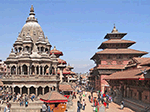
- Day 1: the old centreWalk Durbar Square and the lanes of Basantapur, then take a taxi to Swayambhunath for sunset over the valley.
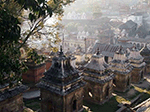
- Day 2: the sacred eastPashupatinath in the morning, when the aarti and the riverside are quiet, then Boudhanath for the kora in the afternoon.
- Day 3: Patan or a slower lane daySpend the afternoon in Patan, or wander the lanes of Asan and Indra Chowk with tea breaks.
A day-by-day shape for three days
Day one works best as an orientation: Swayambhunath in the morning light, a slow lunch in the old lanes, then Durbar Square in the afternoon when the stone steps are warm and the crowds thin. Day two moves east to Pashupatinath and Boudhanath, which are close enough to link in one drive. Day three is the flexible day, and it is the one that makes the trip feel unhurried: Patan for its courtyards and metalwork, or a hill road out to a viewpoint if the sky is clear.
If you land in the afternoon, treat the first evening as a rest and a walk around your hotel rather than a sight. Travellers who push through a sightseeing day straight after a long journey often find the next morning heavy, especially in the dry months when dust and traffic add to the tiredness.
What more days actually buy you
A fourth and fifth day do not simply add sights; they change how you see the first ones. A second visit to Boudhanath at dusk, when the circuit fills with walkers and butter lamps, tells you more than a first visit with a camera. Bhaktapur is worth a full day on its own for its brick squares, pottery and quiet side streets, and it feels different if you reach it before the tour groups.
If time is short, protect the rhythm instead of the list. One major sight in the morning, a long lunch, and one lighter stop later is a pattern most people enjoy more than a rushed schedule of five places.
Insider tip
Kathmandu rewards slowness more than coverage. A morning at one stupa, with tea and no schedule, beats ticking off three monuments before lunch.
Avoid this
Do not cross the city twice in a day. Group sights by area: Durbar Square and Thamel together, Swayambhunath on its own, Boudhanath and Pashupatinath as a pair.
Related questions
Is two days enough?
You will see the main sights but not absorb them. Three is the number where Kathmandu stops being a checklist.
Should I spread the sights out?
Yes. One heavy morning, one slow afternoon, then repeat. It stops temple fatigue.
Plan your Nepal trip in 60 seconds
Answer four short questions. We show trips that fit, and a planner can send a route and price. Free, no payment.
Trips that match this guide
Keep reading
More guides to explore
- Patan and BhaktapurTime needed, which to pick, and how to reach them.
- Dhulikhel, Namobuddha and PanautiDhulikhel sunrise, Namobuddha, Panauti and how to link them.
- Kathmandu Valley Temples and MonasteriesPashupatinath, Patan, Changu, Kopan and the rest, ranked.
- Daman and the Rajpath HillsDaman view tower, the old Rajpath, Chitlang and Hetauda.
- All Nepal guidesBrowse every place and theme.