


The short answer
The Licchavi period is an early period of the valley's history, known for inscriptions, stone sculpture and the oldest known temple sites such as Changu Narayan, which tradition connects to early centuries. The Malla period is the later medieval age when rival kings of Kathmandu, Patan and Bhaktapur built the great palaces and Durbar Squares.
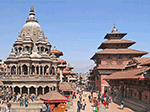
Much of what you see today in the three Durbar Squares dates to Malla patronage, with earlier foundations and later repairs. Dates for individual buildings vary in sources, so rely on your guide and the sign at each monument rather than a single fixed year.
Key facts
- Early
- Licchavi period, stone and inscriptions
- Later
- Malla period, palaces and squares
- Oldest shrine
- Changu Narayan area
- Tip
- Dates vary by source
How it works
- Visit Changu NarayanFor early stone art.
- Walk the Durbar SquaresFor Malla architecture.
- Compare stylesStone versus brick and wood.
- Read the signAnd ask the guide.
Insider tip
Look for stone sculptures from the earlier period near old shrines.
Avoid this
Do not trust a single date board as final; many buildings were rebuilt.
Related questions
Were the cities rivals?
Yes, the Malla kingdoms competed in art and building.
Is everything original?
No; many structures were rebuilt after earthquakes and fires.
Plan your Nepal trip in 60 seconds
Answer four short questions. We show trips that fit, and a planner can send a route and price. Free, no payment.
Trips that match this guide
Keep reading
More guides to explore
- KathmanduDays, sights, where to sleep, season and cost.
- Patan and BhaktapurTime needed, which to pick, and how to reach them.
- Dhulikhel, Namobuddha and PanautiDhulikhel sunrise, Namobuddha, Panauti and how to link them.
- Kathmandu Valley Temples and MonasteriesPashupatinath, Patan, Changu, Kopan and the rest, ranked.
- All Nepal guidesBrowse every place and theme.